

- Anatomy
- Conditions
- Procedures
Back Pain
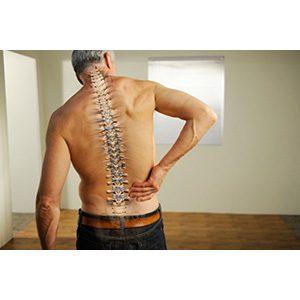
Back pain or backache is the pain felt in the back that may originate from damage to the muscles, nerves, bones, joints or other structures in the spine. Back pain is one of the most common medical problems experienced by most people at some time in their life. It can be acute, usually lasting from a few days to a few weeks, or chronic, lasting for more than three months.
Neck and Back Injuries
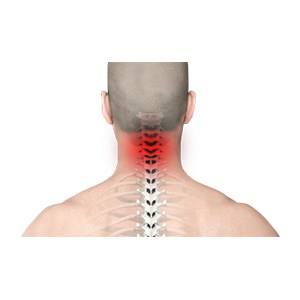
Neck and back injuries usually result from damage to the surrounding structures such as the muscles, bones, or ligaments of the neck and back. They are characterized by pain and discomfort and can sometimes be serious and result in permanent disability.
Spinal Stenosis
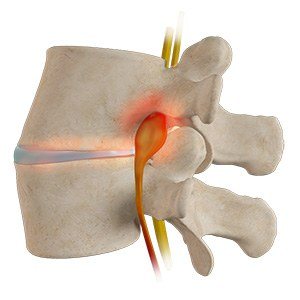
Spinal stenosis is a condition caused by the vertebral column constricting and exerting pressure on the spinal cord or neural foramen (a bony tunnel through which a nerve exits the spinal cord). Spinal stenosis is a condition caused by the vertebral column constricting and exerting pressure on the spinal cord or neural foramen (a bony tunnel through which a nerve exits the spinal cord).
Disc Herniation
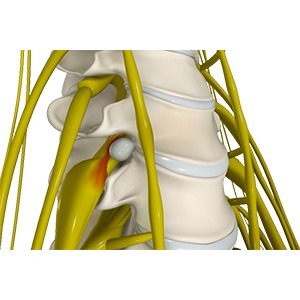
Disc herniation is one of the common causes of back pain. The intervertebral discs are flat and round, present between the vertebrae and act as shock absorbers when you walk or run. There is a soft, gelatinous material in the center (nucleus pulposus) that is encased in strong elastic tissue to form a ring around it called annulus fibrosus.
Spine Deformities
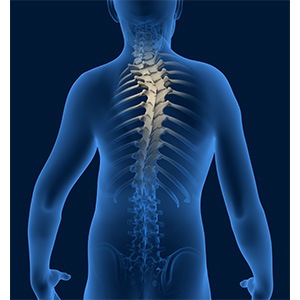
The spine or backbone provides stability to the upper part of our body. It helps to hold the body upright. It consists of a series of irregularly-shaped bones appearing in a straight line. The spine has two gentle curves, when viewed from the side and appears to be straight when viewed from the front.
Scoliosis
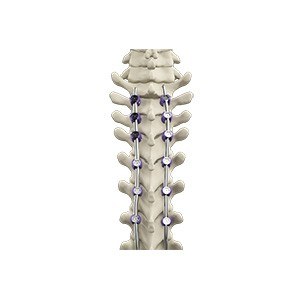
Scoliosis is a condition characterized by the abnormal curvature of the spine that causes a deviation to one side. It causes a physical deformity, making the spine look like the letter “C” or “S” instead of the letter “I”. Scoliosis can affect either the mid or lower back. Scoliosis of the mid back is more common. Scoliosis can occur at any age.
Sciatica
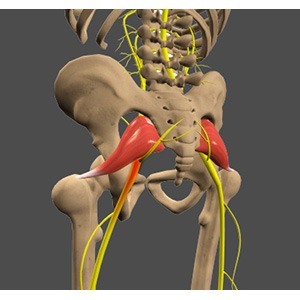
The sciatic nerve is the longest nerve in your body. It begins in the lower back and extends through the buttocks down the back of each leg to the thighs and feet. Sciatica is a painful condition caused by the irritation of the sciatic nerve. Sciatica can be acute (short term), lasting for a few weeks or chronic (long term), persisting for more than 3 months.
Spondylolisthesis
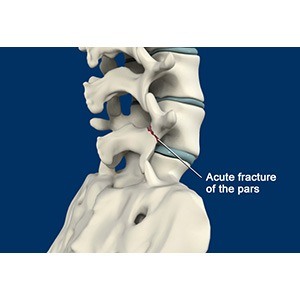
Spondylolisthesis is the displacement of the vertebral disc from the spinal column. Outward (forward) displacement is termed as anterolisthesis and inward (backward) displacement is termed as retrolisthesis. This condition is often preceded by spondylolysis, a degenerative condition of the vertebra.
Spinal Instability
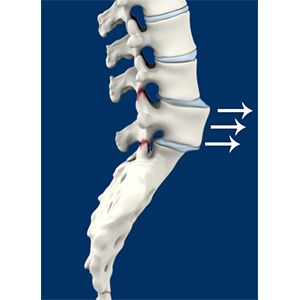
Spinal instability refers to the condition of failure of the spinal column to maintain its normal structure. Normally, the spine functions to protect and provide support to the body and its internal organs. An unstable spine is incapable of holding various spinal structures such as spinal muscles, ligaments, bones, and discs in place.
Spinal Cord Compression
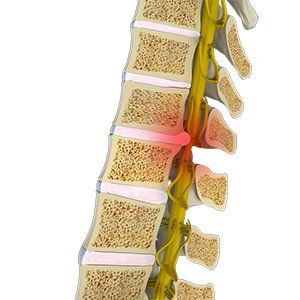
Spinal cord compression is a medical condition characterized by compression or pressure applied to the spinal cord leading to potential impairment of its normal function. The spinal cord plays a crucial role in transmitting signals between the brain and the rest of the body, and its compression may lead to permanent damage of its functioning.
CERVICAL (Neck)
Neck Pain
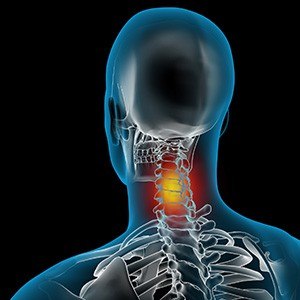
Common neck pain may occur from muscle strain or tension from everyday activities including poor posture, prolonged use of a computer and sleeping in an uncomfortable position. The most common cause of neck pain is injury to the soft tissues (muscles, ligaments or nerves) or prolonged wear and tear.
Cervical Stenosis
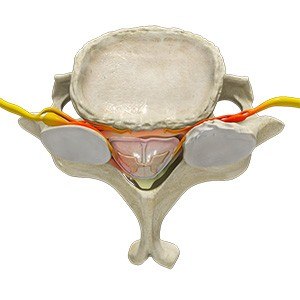
Cervical stenosis refers to the narrowing of the spinal canal that protects the spinal cord and its branching nerves. Cervical stenosis develops after age 50 because of aging and spinal wear and tear. Some patients have a history of back injury or trauma.
Cervical Disc Herniation
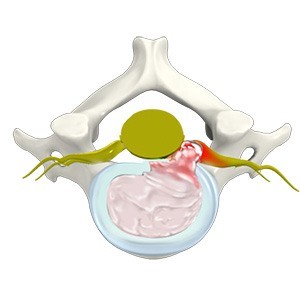
Cervical disc herniation can arise due to aberrations of the intervertebral disc such as bulging, rupture, and slipped or extruded disc. It results in neck, shoulder, and arm pain. In some cases, a disc herniation may occur due to injury, repetitive movements, or degenerative disc disease (DDD).
Cervical Degenerative Disc Disease
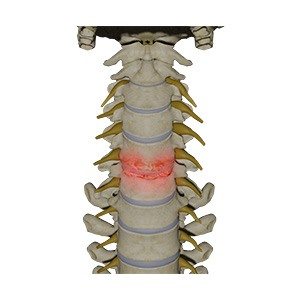
Cervical degenerative disc disease (DDD) is a misnomer, as it is not a disease as such but a condition that affects the strength, resiliency and structural integrity of the intervertebral discs due to increasing age, trauma, injury, repetitive movement, improper posture, or poor body mechanics.
LUMBAR (Lower Back)
Low Back Pain
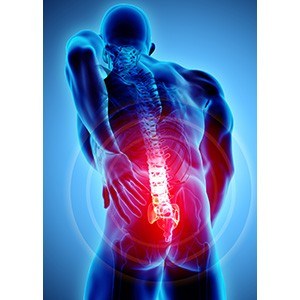
Low back pain is often a common symptom of many disease conditions and the back pain may range from simple or dull pain to sudden and sharp pain. If the pain persists for a few days, it is acute pain whereas if it continues for more than 3 months, it is considered chronic pain.
Lumbar Radiculopathy
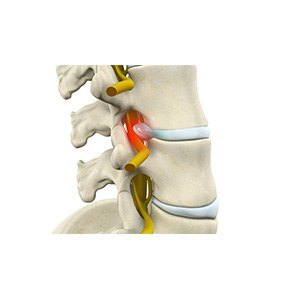
The spine consists of 33 vertebral bones stacked one on top of the other with cushioning discs lying between each vertebra. The lumbar region of the spine (below the rib cage) consists of 5 vertebrae. Nerves of the spinal cord in this region communicate with the lower body through spaces between the vertebrae.
Lumbar Stenosis
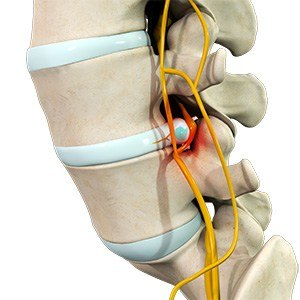
Lumbar stenosis is the compression of spinal nerves caused by the narrowing of the spinal canal. It is one of the common causes of lower back pain. Spinal stenosis can also affect the spine in the neck region. One of the causes of spinal stenosis is aging. Other causes include Paget’s disease, achondroplasia, spinal tumors, and spinal injuries.
Lumbar Disc Herniation
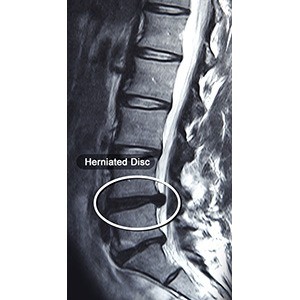
Lumbar disc herniation is the most common cause of lower back pain and leg pain (sciatica). Aging, injury or trauma may cause the annulus fibrosus to tear, resulting in protrusion of the nucleus pulposus. This may compress the spinal nerves and/or spinal canal. The bulging disc may even break open, releasing the gelatinous material, which is a chemical irritant, causing inflammation of the spinal nerves.
Lumbar Sprain
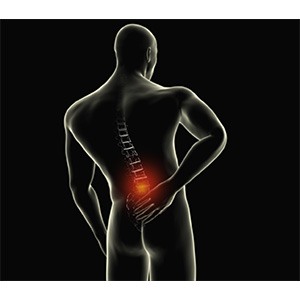
Lumbar (low back) sprains are one of the most common causes of low back pain. A lumbar sprain is characterized as an injury to one or more ligaments (tissue that connects adjacent bones) in the lower back. It can have different levels of severity, including stretching and partial or complete tear of ligaments from their attachment site.