

- Anatomy
- Conditions
- Procedures
Robotic Spine Surgery
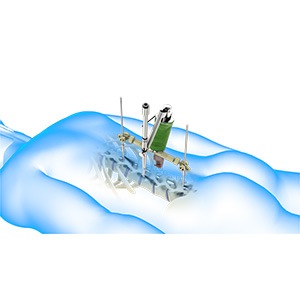
Robotic spine surgery is a procedure where your surgeon is assisted by a robotic system to perform surgery to the spine. Precision is very important when performing spine surgery. Robotic systems are becoming increasingly popular in the medical fraternity as it offers better precision and reduces the risk of complications associated with conventional surgery.
Motion Preservation Surgery
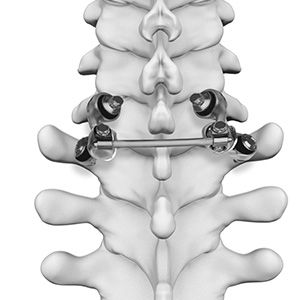
Motion preservation surgery or Motion Preservation Spine Surgery (MPSS) is a relatively new surgical method employed as an alternative to standard spinal surgeries, such as spinal fusion surgery and disc replacement surgery in select patients to treat spinal conditions of the cervical and lumbar area and restore normal motion of the spine.
Spinal Decompression
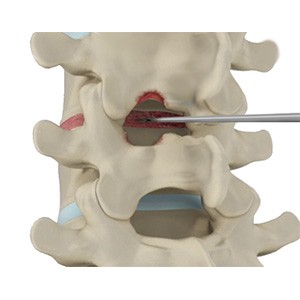
Spinal decompression is a treatment to relieve pressure on one or many “pinched nerves” in the spinal column. It can be achieved either surgically or by non-surgical methods. Spinal decompression is used to treat conditions that cause chronic backaches such as herniated disc, disc bulge, sciatica, and spinal stenosis.
Laminectomy
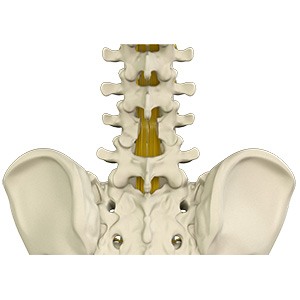
Laminectomy refers to the removal or cutting of the lamina (roof) of the vertebral bones to provide space for the nerves to exit from the spine. It can also be performed to relieve the symptoms of the narrowed spinal canal known as spinal stenosis. The objective of laminectomy is to relieve pressure on the spinal nerves by removing the part of the lamina that is applying pressure on the nerves.
Kyphoplasty
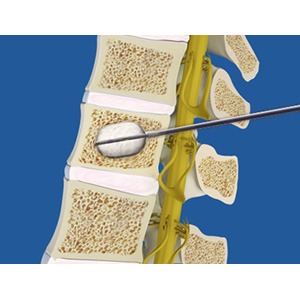
Balloon kyphoplasty is a spine surgery that relieves back pain caused by a vertebral compression fracture. The aim of balloon kyphoplasty is to relieve pain, stabilize the fracture and restore the vertebral body height. Osteoporosis (bone disease) is the primary cause of vertebral compression fractures.
Spinal Fusion
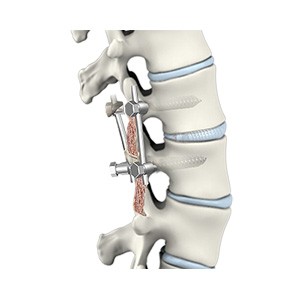
Spinal fusion is the surgical technique of combining two or more vertebrae. A fusion of the vertebrae involves the insertion of secondary bone tissue obtained either from an autograft (tissues from your own body) or allograft (tissues from another person) to enhance the bone healing process.
Non-surgical Spine Treatments

In most cases, back pain can be resolved without surgery. The conservative treatment involves the use of pain medications and other methods to reduce inflammation and restore normal function. Usually, some self-care methods and medications can help to overcome back pain, but if pain and inflammation persist over 72 hours, it is necessary to consult your physician.
CERVICAL (Neck)
Cervical Laminectomy
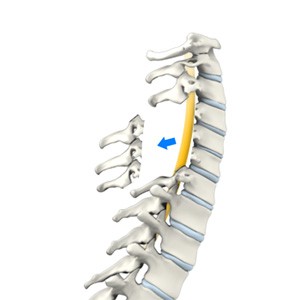
Laminectomy refers to the removal or cutting of the lamina (roof) of the vertebral bones to provide space for the nerves to exit from the spine. A cervical laminectomy is an operative procedure that involves the removal of bone at the neck (cervical spine) region to relieve pressure on the spinal nerves. It can also be performed to relieve the symptoms of the narrowed spinal canal known as spinal stenosis.
Posterior Cervical Decompression
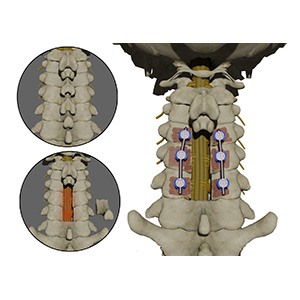
Posterior cervical decompression is a surgical procedure performed through the back of the neck to relieve pressure over compressed nerves in the cervical spine region caused by inflamed spinal tissue or nerves, by removing portions of the cervical vertebrae. Injury or wear-and-tear can cause parts of the cervical vertebrae to compress the nerves of the spinal cord
Artificial Cervical Disc Replacement
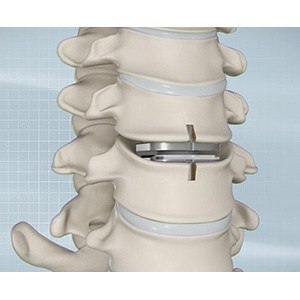
The cervical spine is located in the neck region and consists of seven bones arranged one on top of the other. Cushioning tissue called vertebral discs located between the vertebrae act as shock absorbers, allowing easy movement of the neck. Wear and tear and advancing age can damage these discs, leading to pain and disability.
Cervical Spine Fusion
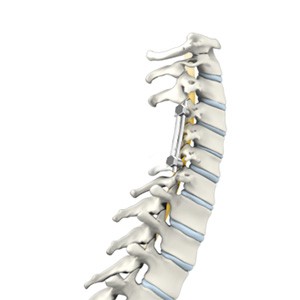
Cervical spine fusion is a surgery performed to fuse weak cervical vertebrae with adjacent vertebrae to provide stability and prevent injury to the spinal cord. A cervical spine fusion may be indicated to stabilize injuries and prevent fracture and spinal cord damage and to treat misalignment of the vertebrae, herniated discs, arthritis, tumor, deformities, and infection.
LUMBAR (Lower back)
Lumbar Laminectomy
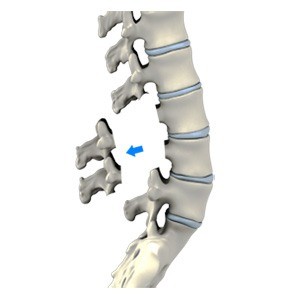
Lumbar laminectomy is a spinal surgery to relieve excess pressure on the spinal cord or nerves within the spinal canal in the lumbar or lower back region. The pressure may be caused by bony overgrowths, herniated discs, injury, tumors, or narrowing of the spinal canal resulting in painful symptoms affecting a person’s ability to perform normal day to day activities.
Lumbar Foraminotomy
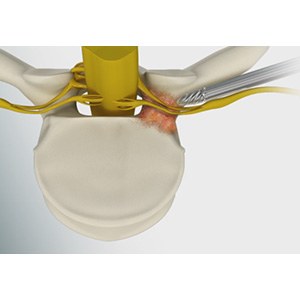
A lumbar foraminotomy is a surgical procedure that decompresses the spinal nerves by removing bone and other tissues that obstruct the neural foramen. A microscope is used to verify whether the decompression of the spinal nerves is complete. The instruments are then removed and the incision closed.
Lumbar Artificial Disc Replacement
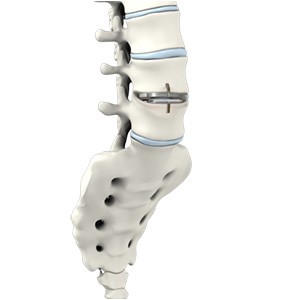
Lumbar artificial disc replacement is a surgical procedure employed to remove and replace a damaged or worn out disc in the lumbar or lower part of your spine that has become painful and debilitating with an artificial or synthetic disc. An artificial disc is made of metal or plastic or a combination of both and is designed to support the vertebrae while still allowing forward and backward bending,
Lumbar Decompression
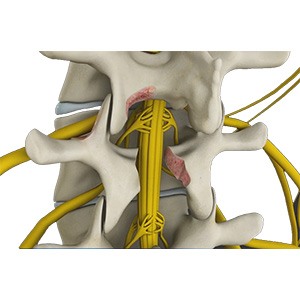
Lumbar decompression is a surgical procedure performed to relieve pressure over the compressed nerves in the lower spine (lumbar region). Lumbar decompression is usually indicated for herniated lumbar disc, spinal stenosis, spinal injury or spinal tumors, and when conservative treatment options do not provide relief.
Lumbar Interbody Fusion
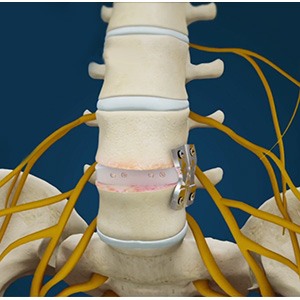
Lumbar interbody fusion (LIF) surgery is a surgical technique that involves the removal of a damaged intervertebral disc and the insertion of a bone graft into the disc space created between the two adjoining vertebrae. Bone grafts promote healing and facilitate fusion.
Lumbar Discectomy
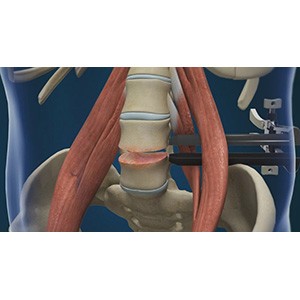
A lumbar discectomy is a surgical procedure performed to treat a herniated or ruptured disc and relieve pressure on the spinal nerves. To perform lumbar discectomy, your doctor makes a small incision in your lower back over the affected spinal disc. Some vertebral bone and ligament may need to be removed to expose the disc.
Lumbar Fusion Procedures
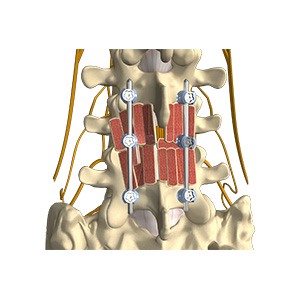
The surgical technique of combining two or more vertebrae is known as spinal fusion. Back pain due to abnormal motion of the vertebrae is treated by this procedure. Fusion of the vertebrae involves the insertion of secondary bone tissue obtained either through autograft (tissues from the same patient) or allograft (tissues from another person) to enhance the natural osteoblastic process of the body.
Anterior Lumbar Interbody Fusion
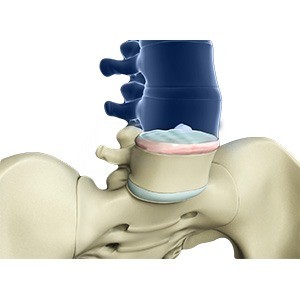
Anterior lumbar interbody fusion (ALIF) is a surgery performed to correct spinal problems in the lower back. The surgery can be implemented either as an open surgery or minimally invasive technique. The complications of the ALIF surgery include infection, nerve damage, blood clots or blood loss, bowel and bladder problems and any problem associated with anesthesia.
THORACIC (Mid back)
Thoracic Discectomy
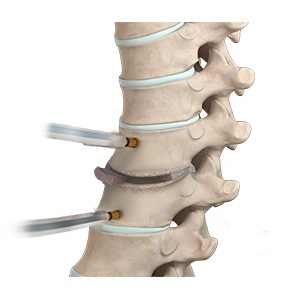
The human spine provides support to the body allowing you to stand upright, bend, and twist. The spine can be broadly divided into the cervical, thoracic, and lumbar spine. The thoracic spine lies in the mid-back region between the neck and lower back and is protected by the rib cage. It consists of 12 vertebral bones with intervening intervertebral discs.
Thoracic Facetectomy
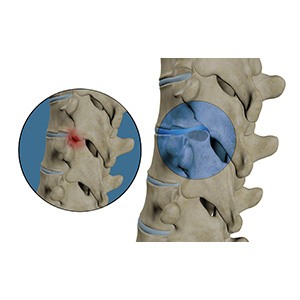
The spinal cord passes through the vertebral column, which forms a bony protective cover. At the thoracic region (upper back), the spinal canal is especially narrow when compared to the neck and lower back regions, making it more susceptible to compression. Adjacent vertebrae articulate at two joints called the facet joints.
Thoracic Kyphoplasty
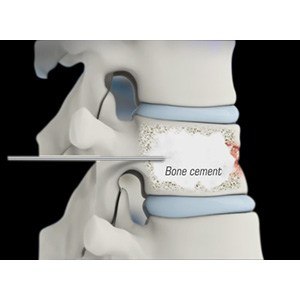
Thoracic Kyphoplasty is an elective surgery in` the mid spine or thoracic region to repair a vertebral compression fracture causing severe back pain and a hunch back appearance condition called kyphosis. Of the several causes for back pain, kyphoplasty is indicated if the patient is suffering from vertebral body compressions, fractures, and osteoporosis.
Thoracic Vertebroplasty
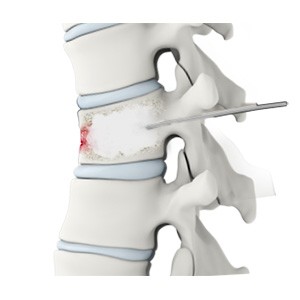
Osteoporosis is a “silent” disease characterized by weakening of bones, making them more susceptible to fractures (vertebral compression fractures), typically in the hip and spine. Vertebral compression fractures can also occur with a metastatic tumor, multiple myeloma, and vertebral hemangioma.
Thoracic Spine Fusion
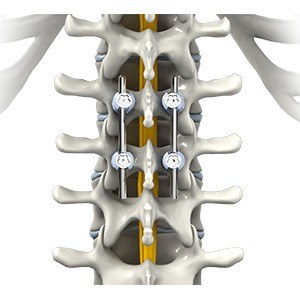
Thoracic spine fusion is a surgical procedure in which two or more bones (vertebrae) of the thoracic spine are joined together so as to eliminate the movement between them. The thoracic spine is the center part of the spine and is formed of 12 vertebrae. Thoracic spine fusion is done by placing bone grafts or bone graft substitutes in between the affected vertebrae.